


The human body is generally capable of filtering and removing toxins and substances that the body does not need. In this case, the kidneys have an important function in the process of filtering blood so that the fluids in the body remain balanced. However, what if the kidneys can no longer function properly?
When the kidneys are no longer able to function normally, the body needs external help to support their performance. The role of the kidneys in filtering blood will be replaced by artificial devices to remove excess water, soluble substances, and toxins in the body.
Broadly speaking, hemodialysis therapy aims to replace unhealthy kidney function. Hemodialysis will help to get through a period of acute decline in kidney function, buy time until a kidney transplant is performed, or be a lifelong therapy for those who cannot get a transplant.
By undergoing hemodialysis regularly, patients can feel better as the waste and toxins in their blood are cleared, reducing the symptoms associated with kidney failure.
While hemodialysis can greatly improve the quality of life for patients with kidney failure, it is important to remember that this procedure does not cure the condition completely. Full treatment for impaired kidney function can only be achieved through a kidney transplant or other more advanced therapies.
Also Read: How to Treat Early Stage Kidney Disease Before It's Too Late
In general, hemodialysis is performed by people with kidney failure. However, hemodialysis is also necessary for acute diseases associated with:
So, when should you see a doctor? For people with kidney problems, hemodialysis is required when the person has only 10 to 15 percent of kidney function left. Symptoms that may be experienced usually include nausea, vomiting, swelling, and fatigue.
The decision to start hemodialysis will be based on the patient's age, energy level, overall health condition, laboratory test results, and readiness to undergo treatment.
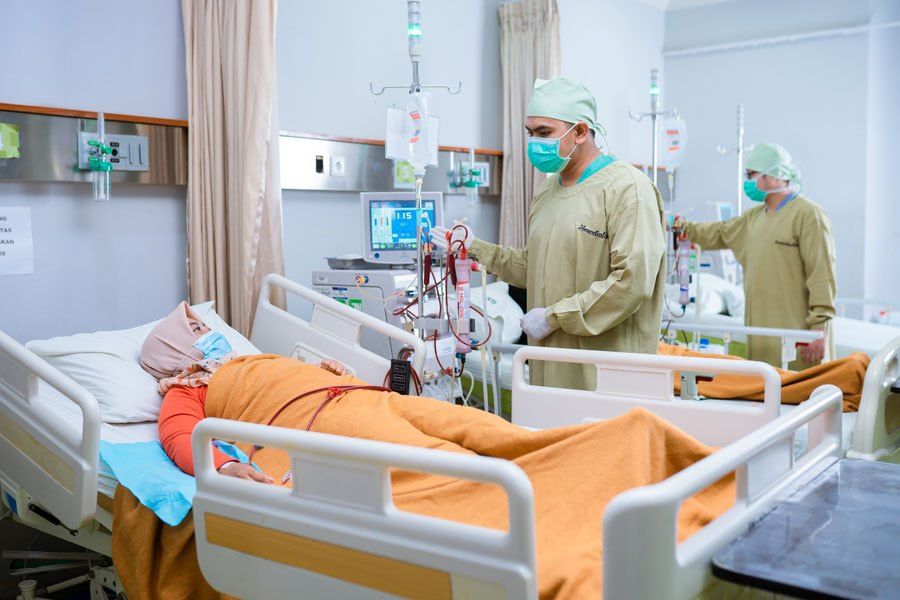
Hemodialysis treatment will be assisted by a special machine called dialysis. In the process, the medical staff will insert two needles in the patient's veins. During the procedure, blood will be drawn from the body and filtered through the dialysis machine which acts like a kidney to remove salt, waste and excess fluid. The filtered blood is then returned to the body.
Hemodialysis is usually done three times a week and lasts three to five hours per session.
While hemodialysis is essential to keep the body in balance for people with kidney problems, the procedure can cause some side effects that are worth noting. These side effects are the body's response to sudden changes during therapy, including changes in water balance and body chemicals that can cause muscle cramps, as well as a sudden drop in blood pressure, called hypotension.
In addition, the vascular access devices used in this procedure are also at risk of problems such as infection, blockage or impaired blood flow, which can compromise the effectiveness of the treatment.
Hemodialysis treatment is generally performed at hemodialysis service centers and hospitals. Friends of Persada who want to check their kidney problems or consult about hemodialysis treatment can immediately visit Persada Hospital to get related services.
Persada Hospital provides quality and comprehensive hemodialysis services for patients with kidney problems by ensuring patient comfort and safety during treatment.
Visit the Center of Excellence Urology and Dialysis Center to get the right treatment. Check the schedule of Persada Hospital urology doctors to conduct further consultations. Also learn about the latest health information through Persada Hospital's article page. For more information, contact the Persada Hospital hotline at 0811-3058-8585.






 Bahasa Indonesia
 English